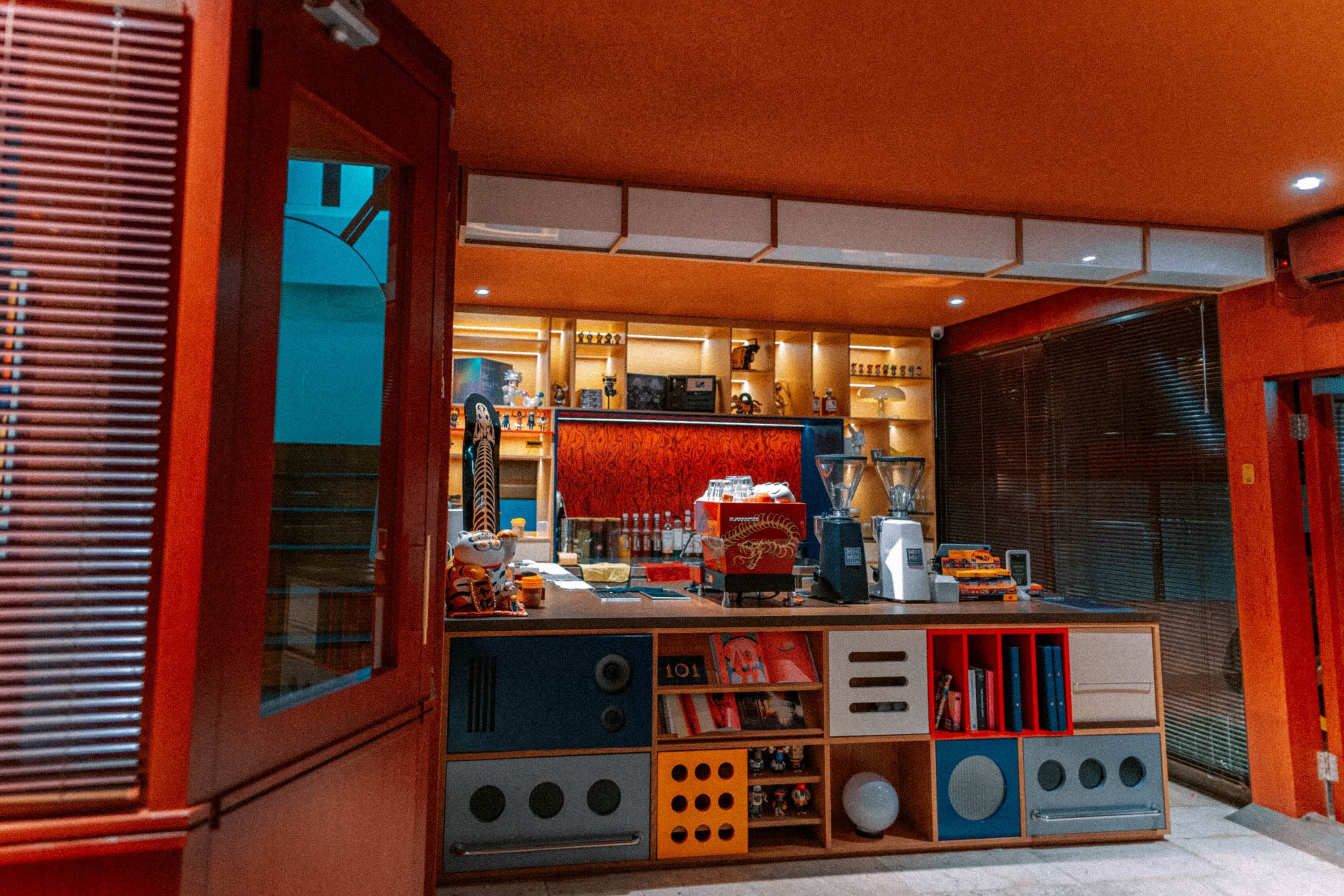

In Bandung, coffee is more than a morning pick-me-up. The city is ringed by mountains where arabica grows, and many of its coffee bars serve beans from farms nearby. Getting to know West Java coffee makes every cup a little more meaningful, whether you are a seasoned coffee lover or simply curious.
This guide introduces the highland arabica of Priangan, the story behind the name Java Preanger, how altitude and processing shape flavour, and how to taste and order with confidence. At the end, there are a few ideas for enjoying a relaxed cup at Artisan Coffee, Aksara Hotel.
West Java Coffee: Highland Arabica
When coffee lovers talk about West Java coffee, they usually mean arabica, the species that thrives in cool highland air. Robusta is grown in the province too, generally at lower altitudes, but it is mountain arabica that has put West Java on the coffee map.
Farms are scattered across the mountain slopes of Priangan, in areas such as Bandung Regency, West Bandung, Garut, Sumedang and Cianjur. Volcanic soil, generous rainfall and mild temperatures give arabica the conditions it loves.
Java Preanger, a Historic Name
Preanger was the Dutch colonial name for Priangan, the mountainous heart of West Java. Coffee was first cultivated on Java in the late 17th century, and Priangan went on to become one of the island's important coffee-growing regions.
The history is not entirely sweet. In the 18th century, people in Priangan were required to grow coffee and hand over the harvest to the colonial authorities through local regents, a system known as the Preangerstelsel. Coffee from Java was shipped to Europe and became so well known that java is still informal English for coffee.

Today the name Java Preanger is used again for arabica from the Priangan highlands and is registered as a geographical indication, which ties the name to the region the coffee comes from.
How Altitude and Processing Shape Flavour
Many things affect how a coffee tastes, from variety, soil, weather and harvesting to the roast. The two you will hear about most often are altitude and processing. What follows is a general picture, as every farm and every harvest is different.
Altitude
Higher up, where it is cooler, coffee cherries generally ripen more slowly. Slow-grown beans tend to be denser, and such coffees often have brighter acidity and more layered flavours. Altitude is no guarantee, though: how the farm is tended and how the beans are processed still matter.
Processing
After picking, the cherries are processed to separate the beans, and the method leaves its mark on the cup:
- Washed (full wash): the skin and fruit pulp are removed before the beans are dried. Expect a clean, light cup with clear acidity.
- Natural: the whole cherry is dried with the bean inside. These coffees tend to taste sweeter and fruitier, with a fuller body.
- Honey: some of the sticky fruit layer is left on during drying, giving a character somewhere between washed and natural.
- Wet hulled (giling basah): a method common in Indonesia, where the parchment is removed while the bean is still moist. It often gives a heavy body with earthy, spicy notes.
Some West Java producers also experiment with different fermentation methods, so beans from a single farm can produce cups with quite different characters.
How to Taste and Order Coffee
You do not need to be an expert to taste coffee more attentively. Try these simple steps:
- Smell the coffee before you sip, both while it is hot and once it has cooled a little.
- Take a small sip and let it spread across your mouth. Notice the acidity (a fresh, fruity brightness), the sweetness and the bitterness.
- Pay attention to the body, meaning how light or heavy the coffee feels on your tongue.
- Notice the aftertaste, the flavour that lingers after you swallow.
- Taste again as it cools, as flavours often change and open up when the temperature drops.
When ordering, do not hesitate to ask the barista where the beans are from, how they were processed and what they taste like. To get a feel for the bean itself, go for black coffee such as an espresso or an americano, or a manual brew if one is on offer. If you prefer something gentler, a milk coffee is always a pleasure.
Enjoying a Cup at Artisan Coffee
Once you have read up on West Java coffee, it is time to sit down with a cup. Artisan Coffee, the mid-century coffee shop on the 2nd floor of Aksara Hotel, serves coffee and non-coffee drinks, light bites, pastries and main courses, all halal. Try the Es Kopi Susu Pandan or the Butterscotch Coffee, two house favourites, then find a seat on the rooftop terrace overlooking the trees of Ciumbuleuit.
Curious about which beans are in use today? Just ask at the bar. Artisan is open from 8 am to 10 pm Sunday to Thursday and from 8 am to 11 pm on Fridays and Saturdays, and is open to the public. Read more about the space in our guide to Artisan Coffee.
Take a Taste of Bandung Home
Beans from West Java farms make a lovely gift for coffee-loving friends. When buying, check the pack for the origin, the process and the roast date. You will find more ideas in our guide to Bandung souvenirs and food gifts.
Fancy exploring Bandung's coffee over a few days? Stay in Ciumbuleuit, about 15 minutes from the city centre depending on traffic. Every room has an electric kettle with tea and coffee for slow mornings. Browse our rooms and book directly on the website.